
Historically, I’m a little slow to make friends. Throughout school I would witness friend groups quickly solidify around me and feel left out, like something must be wrong with my personality or appearance or both. However, over the years I’ve been adopted by various extroverts, ventured out of my shell, and learned basic touchstones of friendly socialization.
It may have taken more time, several missteps in judging character, and even the occasional heartbreak, but I feel I’ve finally mastered the art of making friends wherever I go. Here’s ten invaluable lessons I learned along the way:
1. Take first impressions with a grain of salt.
We all tend to judge a book by its cover and/or blurb (that’s kind of…the point?), but don’t let that impression immediately crystallize — you may be pleasantly surprised, or even dodge a bullet! Some people are better “performers” than others, but it doesn’t necessarily make them better company. Make sure to have genuine reasons to like or dislike someone, and trust your instincts and observations about someone over their reputation.

2. The bond is more important than the battle.
Two distinct personalities cannot always agree on everything, and sometimes fights are unavoidable. A disagreement among friends is not about winning the battle, but resolving the conflict. You may be able to influence your friends to some degree, but you should not try to control another’s emotions, reactions, or decisions. Communication and compromise is crucial towards understanding each other’s point of view and strengthening the relationship.

3. Match each other’s energy.
If you find yourself chasing someone’s affection, approval, or acceptance with little to no effort from them, you have to examine the root of the imbalance — and maybe rethink if the friendship is worth maintaining. I always say you shouldn’t have to beg for anyone‘s love, attention or time. If someone prioritizes your relationship, they will show it.

4. When someone reveals their true nature, believe them.
If a friend gossips or trash talks to you about mutual friends, chances are you are not the exception. There’s something to be said for wanting to see the best in people, but make sure it doesn’t veer into naïveté — that charitable attitude can unfortunately be used against you. Pay attention when others show you what they’re capable of: the good, bad, and every nuance in-between.

5. Believe honesty over flattery.
Friends should definitely root for you and vice versa, but beware of someone who only ever has positive things to say, and avoids any words of criticism (at least to your face) as it can hint at an inauthentic quality. A true friend will be honest with you because they have your best interests at heart, even if you don’t always want to hear it.

6. Choose consistency over novelty, and quality over quantity.
Some people are just more exciting than others, but watch out for those who easily change their personality to fit different scenarios. An authentic friend shouldn’t feel the need to constantly perform for the benefit of others. Dozens of casual friends and the appearance of popularity can be lonelier than having a small but tight-knit social circle. A real connection will feel rewarding even in the dullest circumstances.

7. You don’t have to like everyone, but never be hateful.
I am firmly of the belief that any action you commit with the intent to hurt another will come back around and punish you tenfold. Even when burning bridges, find it in you to wish the other person the best and not waste time on petty warfare, plotting revenge, or any other course of action that ultimately distracts you from living your best life. If someone decides to cut you off for whatever reason, the decision is their own to live with. Don’t let another live rent-free in your thoughts.

8. You choose your friends — they don’t choose you.
Friendship is a two-way street where balance must be maintained. When one person is constantly leading and the other always chasing, that balance is compromised and inevitably creates tension. To set a good precedent from the get-go, do not falsely depict your character or compromise your individuality for acceptance or inclusion. Rejection is an integral part of life, but never take it personally and always stay true to yourself. You will feel more complete once your self-worth comes from internal rather than external factors — which will in turn appeal to others!
9. Someone out there will love you for who you are.
Absolutely no one is a lost cause. Among the billions of humans on this planet, not a single one can claim to be perfect. A real friend will love and accept you for who you are, flaws and everything. Just because you feel you haven’t found one yet doesn’t mean you never will. That is why my final lesson is the most important of all:
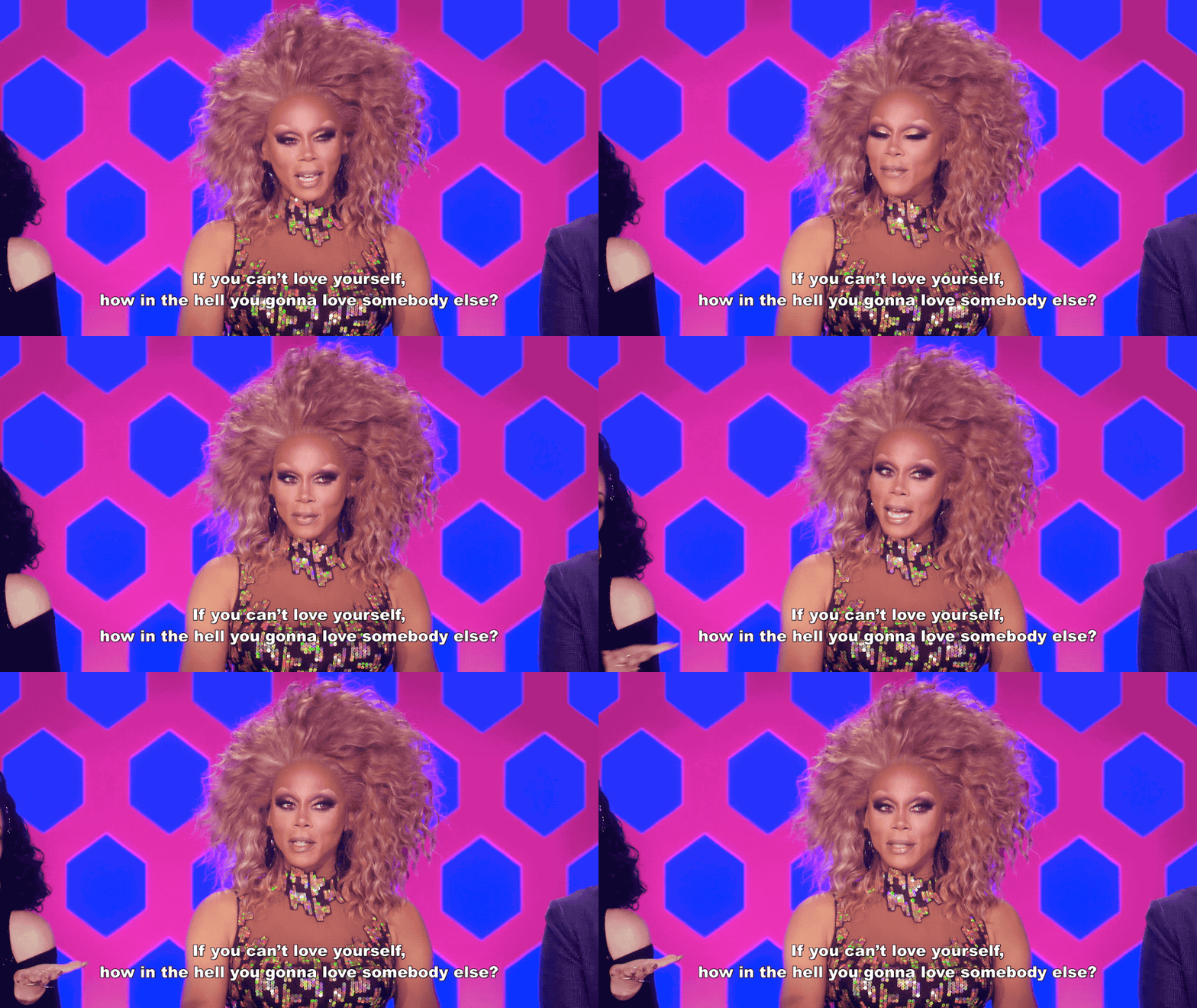
10. Be your own best friend, always.
There’s only one person you’re with 24/7, and disliking that person is a punishment that’s entirely within your power to change. When you aren’t clouded by insecurities or self-hatred, those things are infinitely easier to spot (and avoid) in others. It’s no easy task, but working towards introspection, personal accountability, acceptance, and transformation will train you to respect yourself and not accept less from others. This is the most important relationship you will ever have to maintain, and it is lifelong work.

While these lessons are written specifically in regards to friendship, many also apply to relationships in general, including familial and romantic. So what are your thoughts — ever learned any of these the hard way like I did?
Sincerely, Star Smirk 𒀭
*This piece was originally published in a previous version on the Beauteous Life blog by Daniela Gomez. Visit the original post and follow the blog here.

 STARSMIRK